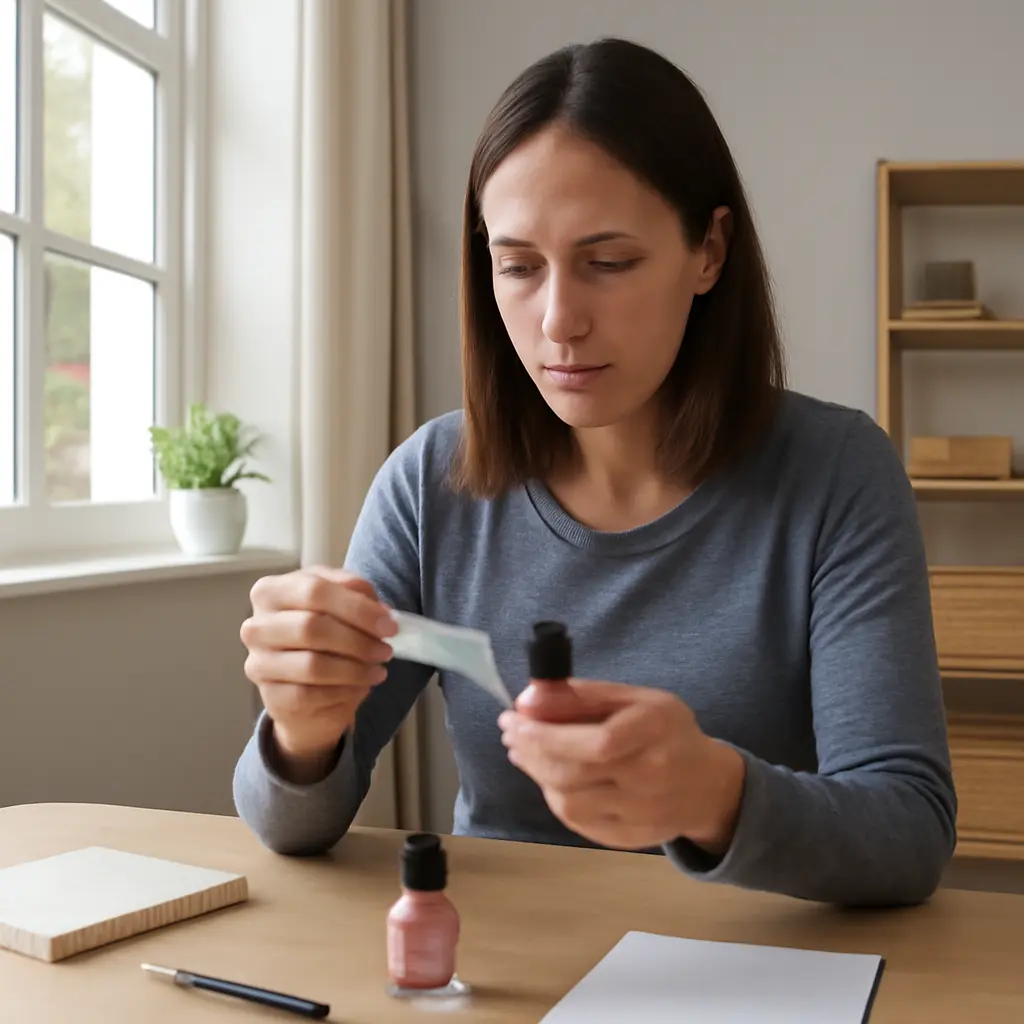
Cruelty-free nail polish is polish made without animal testing under a brand’s stated policy, while “without toxic chemicals” is best understood as choosing products that avoid selected ingredients of concern—not as a guarantee that a product contains no chemicals or poses zero risk. Shop more thoughtfully by checking the brand’s animal-testing policy, reading the ingredient list, and looking for specific, verifiable claims rather than relying on terms such as “clean” or “10-free.” The distinction matters: the U.S. Food and Drug Administration (FDA) says cosmetics generally do not need FDA approval before sale, and labels such as “non-toxic” do not replace ingredient and safety information.
Cruelty-Free Nail Polish: What the Claim Means
“Cruelty-free” is not a single, universally standardized U.S. legal certification for cosmetics. In practice, a brand may use it to describe policies against testing finished products or ingredients on animals, but the claim’s scope can vary. The FDA explains that U.S. law does not specifically require animal testing for cosmetics; companies remain responsible for substantiating product safety using appropriate methods. That makes it important to examine what a brand actually promises, rather than treating the phrase alone as proof.
Brand policies and third-party certification
A cruelty-free policy should explain whether it covers the brand, its suppliers, ingredients, finished products, and markets where it sells. Independent programs can add accountability. Leaping Bunny, for example, describes a standard requiring companies to monitor suppliers and maintain a fixed cut-off date after which animal testing is not permitted for products or ingredients. Certification criteria differ, so check the program’s current requirements and confirm that the brand appears in its official directory.
A bunny icon printed on packaging is not automatically evidence of independent certification: logos and claims can be self-created. Look for the certifier’s name and verify the company using the certifier’s own listing. Also distinguish cruelty-free from vegan. Cruelty-free concerns animal testing; vegan generally concerns animal-derived ingredients. One claim does not establish the other.
What cruelty-free claims do—and do not—tell you
A cruelty-free claim addresses animal testing, not the polish’s full chemical profile, irritation potential, or environmental impact. Likewise, “vegan,” “plant-based,” and “natural” do not by themselves establish that a formula is safer. Nail polish is a chemical mixture, and risk depends on the ingredients, exposure, amount, and manner of use. Treat ethical sourcing and ingredient screening as related but separate shopping checks.
Ingredient Screening for Nail Polish and Health Context
Ingredient screening means checking a formula against a defined set of substances and considering how the product is used. It is not a guarantee of zero risk. Nail polish is applied to the nail plate, but liquid polish and remover can contact surrounding skin, and vapors may be inhaled—especially in poorly ventilated rooms. The National Institute for Occupational Safety and Health (NIOSH) identifies ventilation and safe work practices as important protections for nail salon workers exposed to salon chemicals.
Understand “free-from” and “10-free” labels
“10-free” usually means a brand has chosen not to include ten specified ingredients or ingredient groups. There is no universal list that every brand must follow, so the exclusions may differ. Commonly named substances include formaldehyde, toluene, and dibutyl phthalate (DBP), but a “10-free” claim does not mean the formula is chemical-free, risk-free, or free of every ingredient that could cause a reaction.
Use the claim as a prompt to inspect the actual ingredient list. If a brand does not identify which ten substances it excludes, ask for its list and the basis for the claim. The FDA notes that cosmetics ingredients must be listed on product labels, subject to applicable exceptions. Ingredient lists can help compare products, but consumers with allergies or medical concerns may need advice from a dermatologist or other qualified health professional.
Ingredients that merit informed attention
Some ingredients have specific hazard or exposure concerns, but their presence alone does not establish the risk from every product or use. Formaldehyde is classified as a human carcinogen by the International Agency for Research on Cancer, and formaldehyde-related ingredients may appear in some nail hardeners. Toluene and certain phthalates have also been subject to health and regulatory scrutiny. A practical approach is to check the exact ingredient name, follow the product directions, avoid unnecessary skin contact, and use polish with good ventilation.
People who develop redness, itching, swelling, or other symptoms after using nail products should stop using the suspected product and seek medical guidance. The American Academy of Dermatology notes that nail-product ingredients can cause allergic contact dermatitis in some people. Avoid applying polish to damaged skin, and do not assume that a “free-from” label prevents allergy: a person can react to ingredients that are not on a brand’s headline exclusion list.
Ventilation, use, and disposal
Safer shopping is only part of the picture; use and disposal matter too. Apply polish in a well-ventilated area, close the bottle promptly, and follow label directions. Avoid inhaling vapors or using products near flames, since many polish solvents are flammable. Do not pour leftover polish or remover down a drain; follow local household hazardous-waste guidance. NIOSH’s nail-salon guidance emphasizes ventilation and work practices because repeated occupational exposure differs from occasional home use.
How to Compare Cruelty-Free Nail Polish Claims
A useful comparison separates three questions: Is the brand’s animal-testing policy credible? Are the ingredients acceptable for your needs? Can you use and dispose of the product responsibly? No single badge answers all three. A simple comparison chart can record the certifier or policy, named ingredient exclusions, fragrance or allergen concerns, and available product-safety information.
A practical shopping checklist
- Verify cruelty-free status on the certifier’s own current directory, or read the brand’s detailed animal-testing policy.
- Check whether the policy covers ingredients, suppliers, finished products, and all relevant markets.
- Read the ingredient list and identify what a “free-from” claim actually excludes.
- Look for clear directions, warnings, and contact information, and avoid products with vague or unsupported safety claims.
- Choose a formula that suits your personal sensitivities and use it with ventilation and careful application.
- Remember that vegan, cruelty-free, and “non-toxic” describe different things; assess each claim separately.
Red flags and real-world context
Be cautious when a product relies on an unverified bunny symbol, claims to be “chemical-free,” or presents “natural” as proof of safety without explaining the formula. “Chemical-free” is not a meaningful description of a formulated polish. A more credible brand provides a readable ingredient list, defines its exclusions, explains its animal-testing policy, and avoids implying that a marketing label guarantees health outcomes.
The difference between home and workplace exposure is also important. A person painting their nails occasionally has a different exposure pattern from a technician handling polish, removers, and other salon products throughout a workday. NIOSH’s guidance for salon settings illustrates why exposure controls—such as suitable ventilation, closed containers, and safe handling—are relevant alongside ingredient selection.
Conclusion: Shop by Evidence, Not Just Labels
Cruelty-free nail polish shopping works best when animal-testing claims and ingredient choices are evaluated separately. Verify certifications or read the brand’s policy, treat “10-free” as a product-specific list rather than a universal safety standard, and use ingredient information alongside practical precautions such as ventilation and avoiding skin contact. No label can promise zero risk, but informed comparison can help you choose products that better match your ethical priorities and personal needs. Before buying, check the certifier’s current directory, review the full ingredient list, and consult a health professional if you have a known allergy or develop a reaction.
Sources: U.S. Food and Drug Administration, “Nail Care Products,” https://www.fda.gov/cosmetics/cosmetic-products/nail-care-products; U.S. Food and Drug Administration, “Animal Testing and Cosmetics,” https://www.fda.gov/cosmetics/product-testing-cosmetics/animal-testing-cosmetics; Leaping Bunny Program, “Corporate Standard of Compassion for Animals,” https://www.leapingbunny.org/about/corporate-standard-compassion-animals; National Institute for Occupational Safety and Health, “Protecting the Health of Nail Salon Workers,” https://www.cdc.gov/niosh/docs/2015-102/; International Agency for Research on Cancer, “Formaldehyde,” https://monographs.iarc.who.int/list-of-classifications; American Academy of Dermatology Association, “Artificial Nails: Dermatologists’ Tips for Reducing Nail Damage,” https://www.aad.org/public/everyday-care/nail-care-secrets/basics/artificial-nails