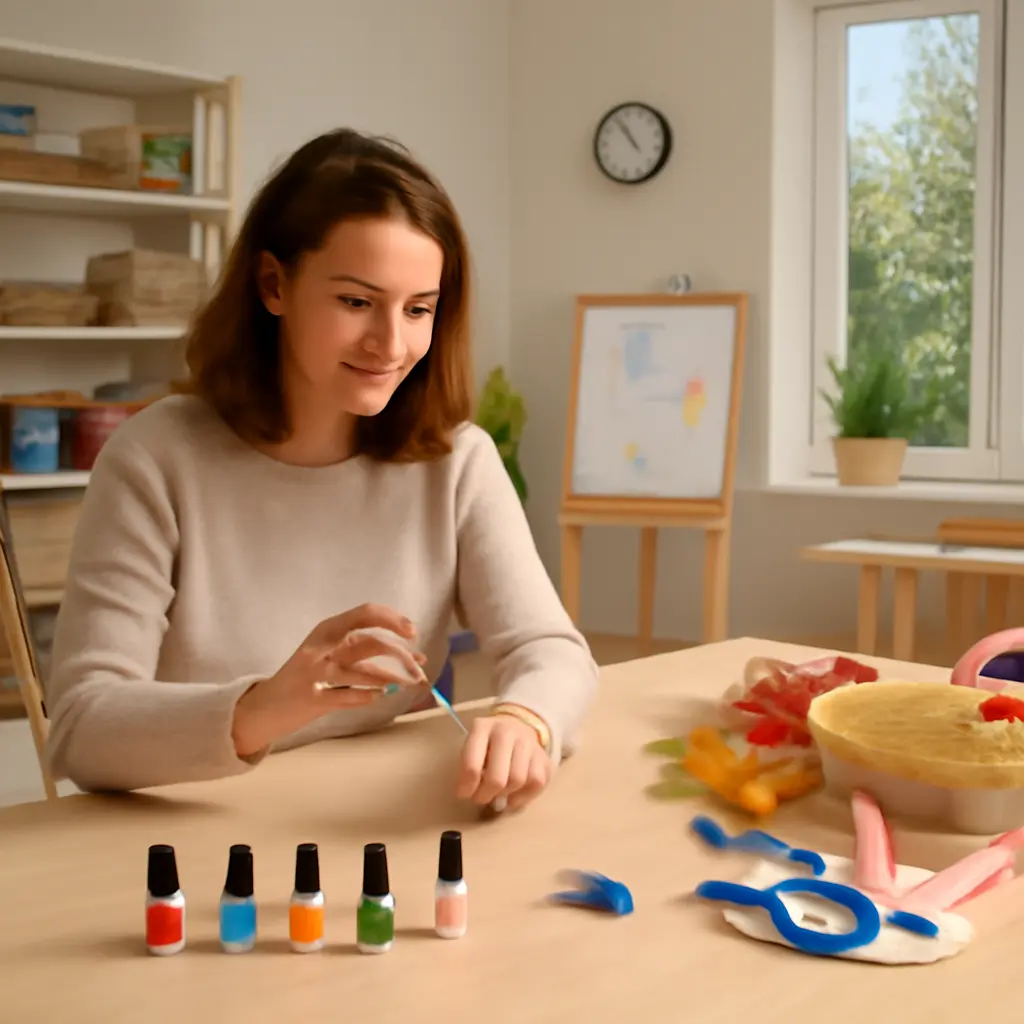
Dress-up day gets easier when nail colors work like accessories: they can echo an outfit, add a playful contrast, or make a simple look feel polished. Nail color combinations pair two or more shades on different nails or in a single design. For a quick choice, match a pastel with a neutral, combine complementary colors for contrast, or use one accent shade with a coordinated base. These ideas draw on basic color theory and practical nail-care guidance; they also make it easy to tailor a manicure to a costume, school event, or family celebration.
How nail color combinations make dress-up styling easier
A nail color combination is a planned relationship between polish shades, whether they appear on alternate nails, as a base and accent, or together in nail art. The American Academy of Dermatology advises choosing nail products carefully and protecting nail health, while color theory offers a simple styling principle: colors can coordinate through similarity or stand out through contrast. For dress-up day, that means you do not need a complicated design—two well-chosen shades can connect nails to clothing, accessories, or a character’s palette.
There is no single data-backed “best” manicure for dress-up day. The most useful choice depends on the outfit, the desired level of contrast, time available, and whether polish is appropriate for the wearer. The combinations below are practical styling suggestions, not medical or safety guarantees. For children, check event rules and product labels, and choose age-appropriate products with adult supervision.
Pastel and neutral: soft, coordinated color
Pair a pastel—such as lavender, baby blue, mint, or pale pink—with a neutral like cream, beige, or light gray. This combination is useful for fairy, garden-party, spring, and storybook outfits because the neutral gives the lighter shade room to show without competing with detailed clothing. Try neutral polish on most nails and pastel on the ring fingers, or alternate the two colors.
Complementary shades: playful contrast
Complementary colors sit opposite each other on a traditional color wheel, creating a noticeable contrast. Blue and orange or purple and yellow can add energy to a costume or themed outfit. Because strong opposing shades may look busy when used equally, keep one color as the main shade and use the other for an accent nail, dots, or a simple stripe. Color-wheel relationships are a design guide rather than a rule; adjust the shades to suit the outfit and personal preference.
Monochromatic shades: an easy polished look
A monochromatic combination uses lighter and darker versions of one hue—for example, pale pink with berry, sky blue with navy, or lilac with deep purple. This approach is easy to coordinate with clothing because the shades share a color family. Paint each hand one shade, alternate shades across the nails, or reserve the darker color for one accent nail.
Dress-up nail combinations by outfit and occasion
Once the color relationship is chosen, connect it to the look rather than trying to copy every detail of a costume. A small reference—such as a bow color, superhero emblem, or flower—can make the manicure feel intentional while keeping the design quick to apply and remove.
For fairytale and princess outfits
Try blush pink with soft gold, lavender with pearl white, or pale blue with silver. Use metallic polish sparingly on an accent nail or as a thin stripe. If the outfit already has sequins or elaborate trim, a simple alternating manicure can keep the overall look balanced.
For superheroes and bold characters
Choose the character’s dominant color and pair it with a contrasting accent—for example, red with navy or green with gold. A base color on every nail and a single emblem-inspired accent is often easier than detailed artwork. Avoid making costume or character colors the only consideration: comfort, school or event rules, and easy removal matter too.
For animals, nature, and playful themes
Mint and cream suit a garden or woodland theme; brown and pale pink can suggest a teddy bear or woodland creature; blue and white work for clouds, waves, or a winter look. Simple dots, stripes, or one tiny shape can suggest the theme without requiring specialist tools.
A quick, nail-conscious way to apply the combinations
A little preparation helps a playful manicure last through the event and makes cleanup simpler. The American Academy of Dermatology recommends using nail products as directed and avoiding practices that damage the nail or surrounding skin. Stop using a product if it causes irritation, and seek medical advice for persistent nail problems.
- Start with clean, dry nails and choose two shades that suit the outfit.
- Apply a thin base coat if appropriate for the product, then add one or two thin color coats according to the label.
- Keep artwork simple: alternate colors, add one accent nail, or use a few dots or stripes.
- Allow polish to dry fully before dressing, and remove it with a product used as directed in a well-ventilated area.
For a no-polish alternative, try press-on nail stickers intended for the wearer’s age, or use costume accessories such as rings and bracelets to repeat the same color pairing. Never apply products to irritated or injured skin, and supervise children around polish and removers.
Conclusion: choose two shades and make them yours
The easiest dress-up nail combinations start with a simple plan: pair a pastel with a neutral for a soft look, choose complementary colors for lively contrast, or layer shades from one color family for a coordinated finish. Match the result to the outfit and occasion, keep application straightforward, and follow product directions. Before the next dress-up day, pick two colors from the costume or accessories and test a quick accent-nail version—the simplest design may be the one that brings the whole look together.
Sources: American Academy of Dermatology Association, Nail Care Tips, https://www.aad.org/public/everyday-care/nail-care-secrets/basics/nail-care; American Academy of Dermatology Association, Nail Polish and Your Health, https://www.aad.org/public/everyday-care/nail-care-secrets/basics/nail-polish-health