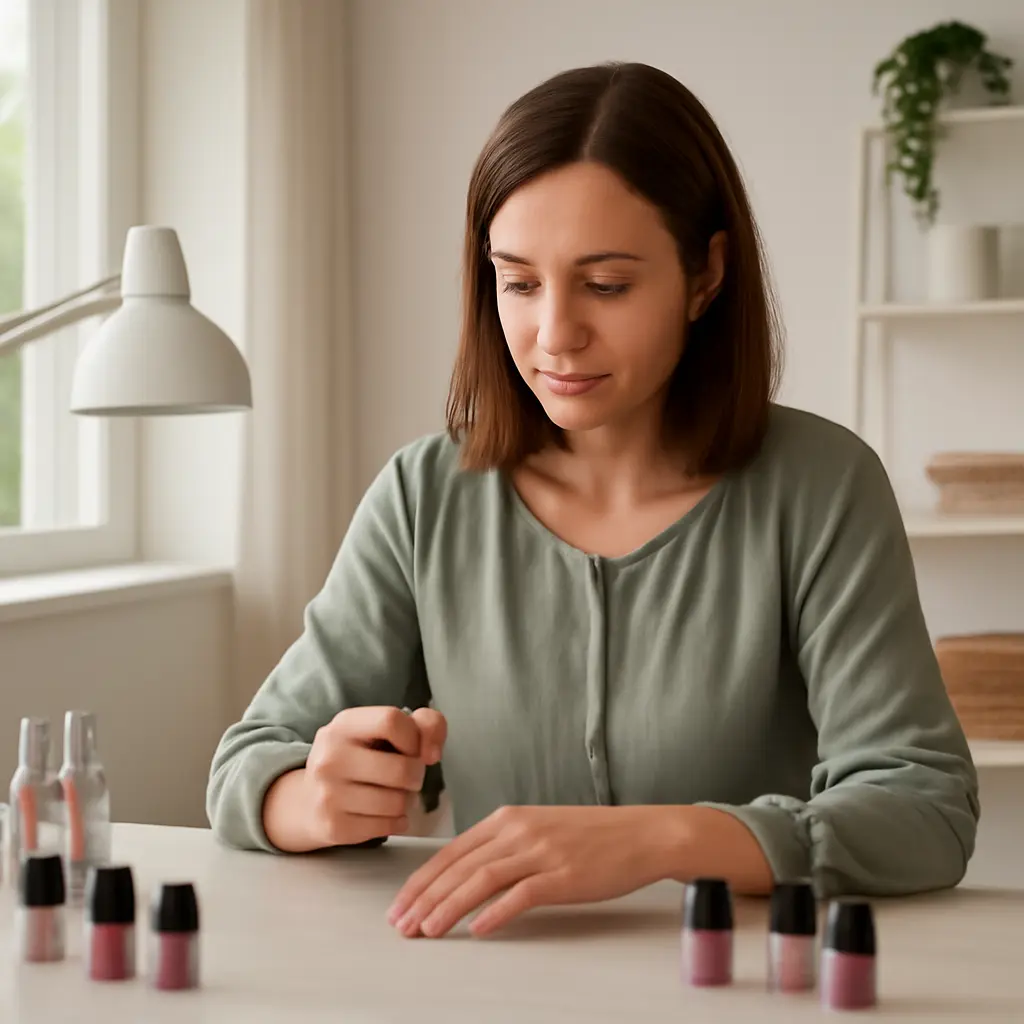
Clean nail polish—often called “3-free,” “5-free,” or more broadly “free-from” polish—does not have to mean a short-lived, dull manicure. Many modern formulas are designed to deliver glossy color and practical wear while excluding selected ingredients such as toluene or dibutyl phthalate (DBP). The trade-off depends on the specific formula and how it is applied: thin coats, careful nail preparation, and a compatible top coat can help clean polish look polished and last. Understanding what “clean” actually means, how formula types differ, and what evidence says about nail-care claims makes it easier to choose products without expecting every bottle to perform identically.
Clean polish and ingredient transparency
“Clean polish” has no single, universally standardized definition in cosmetics. Brands use the term to describe formulas that omit particular ingredients, but the exclusions can vary. The U.S. Food and Drug Administration (FDA) explains that cosmetics generally do not need FDA approval before sale, except for color additives, and that cosmetic companies are responsible for product safety and proper labeling. So “clean” should be read as a brand’s formulation description—not as a government certification or proof that a product is risk-free.
The label may identify a short list of excluded substances, such as toluene, DBP, or formaldehyde. “10-free” and similar claims are not fully comparable across brands because there is no single required list of ten ingredients. The practical first step is to check the product’s ingredient information and the brand’s explanation of its claim, then consider the finish, wear expectations, and your own sensitivities.
What “free-from” claims do—and do not—tell you
A “free-from” claim tells you that a manufacturer says it has omitted named ingredients; it does not, by itself, tell you how long the polish lasts, whether it is suitable for a particular allergy, or whether every alternative ingredient is preferable for every person. The FDA notes that people can develop allergic reactions to cosmetic ingredients, including nail-product ingredients. Anyone with a history of nail or skin reactions should review the full ingredient list and consult a qualified health professional rather than relying on a marketing term.
Why formula matters more than the label number
Traditional nail lacquer typically combines film-forming polymers, solvents, plasticizers, pigments, and other performance ingredients. The film former creates the coating as the solvents evaporate; plasticizers help the film flex instead of becoming overly brittle. A brand changing one ingredient does not automatically make the polish weaker or stronger: the overall formula, application, nail condition, and daily wear all affect the result. “Clean” and “long-wearing” are therefore not mutually exclusive categories, but neither label guarantees a particular number of chip-free days.
Clean polish and manicure performance
A manicure’s appearance depends on more than the polish formula. Oil or moisture on the nail plate, thick coats, incomplete drying, and repeated exposure to water can all contribute to premature lifting or chips. The American Academy of Dermatology advises limiting prolonged contact with water and harsh nail practices because they can contribute to nail damage. For a clean-polish manicure, preparation and a thin, even application are simple ways to support a smooth finish.
Preparation for a smoother, longer-wearing finish
Start with clean, dry nails and remove any old polish. Shape the free edge gently, then avoid aggressive buffing, which can thin the nail plate. If you use a cuticle product, remove residue from the nail surface before polishing, since oils can interfere with adhesion. Apply a base coat if the polish system recommends one, followed by thin coats of color. Let each coat become touch-dry before adding the next, and finish with a top coat when compatible with the chosen formula.
Thin coats, drying time, and top coats
Several thin coats generally create a more even film than one heavy coat, which can remain soft underneath and smudge more easily. Painting a narrow stripe across the nail’s free edge—often called “capping” the edge—may help reduce wear at the tip, though results vary with nail shape and daily activity. A top coat adds a finishing layer and can refresh shine; it does not make polish immune to impact, water, or abrasion. Follow the product’s directions, because drying time and reapplication guidance vary by formula.
Choosing between regular, quick-dry, and gel-style options
Regular air-dry lacquer is convenient to remove and does not require a curing lamp. Quick-dry polish is formulated to set faster, but “quick-dry” does not necessarily mean the coating is fully hardened immediately. Gel polish is a different category: it typically cures under a lamp and can last longer, but removal may involve soaking, filing, or other steps that can harm nails if done aggressively. The American Academy of Dermatology recommends taking care with gel manicures and avoiding picking or peeling product off. For someone prioritizing easy removal and minimal equipment, a conventional clean-labeled lacquer may be the more practical choice.
Clean polish and nail health
A “clean” ingredient claim should not be confused with a medical benefit. Nail polish is primarily decorative, and a product’s marketing category does not establish that it strengthens nails or prevents damage. The American Academy of Dermatology emphasizes gentle nail care, including avoiding picking at polish and limiting practices that weaken the nail plate. Nail products can also cause irritation or allergic contact dermatitis in some users, so pay attention to itching, redness, swelling, or skin changes around the nails.
Ingredient awareness and sensitivity
People may react to different ingredients, and removing one commonly discussed substance does not ensure that a formula will suit every sensitive user. Keep polish off the surrounding skin, use products as directed, and stop using a product if a reaction develops. The FDA advises consumers to report serious adverse reactions associated with cosmetics. Persistent or severe symptoms warrant advice from a dermatologist or other qualified clinician.
Removal without sacrificing the nail surface
Gentle removal helps preserve the manicure’s underlying canvas. Use a remover suited to the polish, avoid scraping or peeling the coating, and moisturize nails and surrounding skin afterward. Acetone can remove many lacquers efficiently but may dry the skin; non-acetone removers can also require rubbing and are not automatically harmless. For gel products, follow the manufacturer’s removal instructions or seek professional removal rather than pulling off lifted layers.
A practical clean-polish routine
A polished result comes from matching expectations to the formula and treating application as a process, not a single swipe. These steps work as a useful starting point for conventional lacquer:
- Read the ingredient list and the brand’s explanation of any “free-from” claim.
- Begin with clean, dry nails and avoid excessive filing or buffing.
- Apply a compatible base coat when recommended, then use thin layers of color.
- Allow coats to dry according to the label and finish with a compatible top coat.
- Wear gloves for prolonged cleaning or dishwashing, and avoid picking at chips.
- Remove the polish gently and give nails a break if they become brittle or irritated.
For example, someone who wants a glossy weekend manicure without a curing lamp could choose a conventional polish that excludes ingredients they personally wish to avoid, apply two thin coats, and add a top coat. A person who needs extra wear for frequent hands-on work may prefer to test several formulas or consider a different manicure system, while weighing the additional removal and curing steps. Neither situation makes one choice universally superior: the best option is the one that fits the wearer’s priorities and nail-care habits.
Conclusion: clean polish can still look polished
Clean polish does not require giving up a glossy, intentional manicure. Because “clean” is not a standardized performance grade, compare ingredient disclosures rather than relying on a number such as “10-free,” and remember that a label alone cannot predict wear or personal sensitivity. Thin coats, suitable preparation, careful drying, and gentle removal help support the finish while reducing avoidable stress on the nail. Check product directions, listen to your nails, and consult a dermatologist if irritation or persistent nail changes occur.
Sources: U.S. Food and Drug Administration, Cosmetics: Ingredients, https://www.fda.gov/cosmetics/cosmetic-ingredients; U.S. Food and Drug Administration, Cosmetics: FDA’s Role, https://www.fda.gov/cosmetics/cosmetics-laws-regulations/cosmetics-laws-regulations; U.S. Food and Drug Administration, Allergic Reactions to Cosmetics, https://www.fda.gov/cosmetics/cosmetic-products/allergic-reactions-cosmetics; American Academy of Dermatology Association, Gel manicures: Tips for healthy nails, https://www.aad.org/public/everyday-care/nail-care-secrets/basics/gel-manicures; American Academy of Dermatology Association, Artificial nails: Dermatologists’ tips for reducing nail damage, https://www.aad.org/public/everyday-care/nail-care-secrets/basics/artificial-nails